
Subaru Forester vs Toyota RAV4
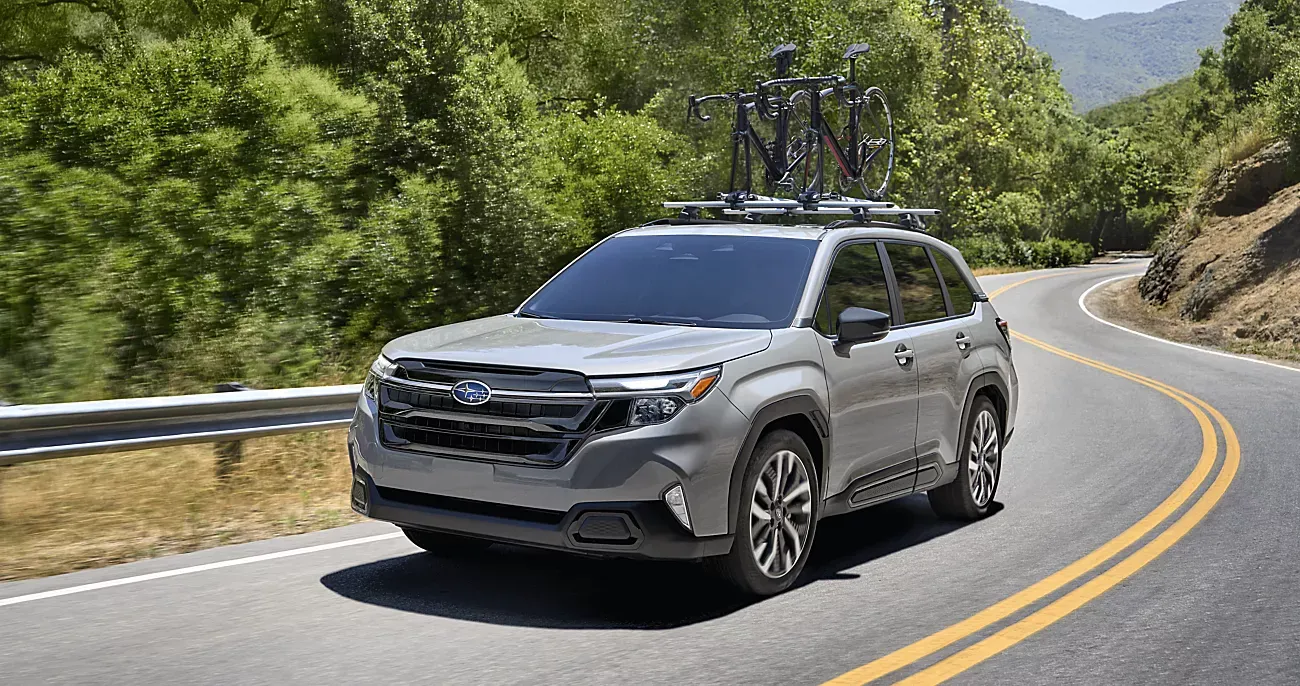
Subaru Forester vs Toyota RAV4
Check Out Our Forester Inventory Here at i.g. Burton Subaru of Glen Burnie!
When shopping for a compact SUV, the Subaru Forester and Toyota RAV4 always top the list, but they bring very different personalities to the everyday drive. While the RAV4 leans on sharp styling and a hybrid option, the Forester quietly steals the show with standard Symmetrical All-Wheel Drive, unmatched outward visibility, and a roomier, family-friendly cabin that makes long commutes and weekend getaways equally comfortable. Ready to get behind the wheel? Test drive and take home the latest Forester right here at i.g. Burton Subaru of Glen Burnie. Located just a short, convenient drive from Baltimore via MD-295 S and I-695 E, our team is standing by to help you find the perfect trim for your lifestyle. Learn more about how the Forester compares to the RAV4 below to see which SUV comes out on top!
Subaru Forester vs Toyota RAV4 Drivetrain Comparison
Every Subaru Forester comes standard with Symmetrical All-Wheel Drive, which continuously distributes power to all four wheels for optimal traction in heavy rain, winter snow, or muddy back roads. This balanced system is engineered in a straight line along the vehicle's centerline, offering enhanced stability and road-holding confidence around every sharp turn. By contrast, the Toyota RAV4 comes standard with front-wheel drive, and buyers must pay a steep premium to match the all-weather capability Subaru drivers get off the lot.
- Drivetrain: Standard AWD (Forester) vs. Standard FWD (RAV4)
- AWD Cost: Included for free (Forester) vs. Extra upgrade fee (RAV4)
- Power Delivery: Continuous 4-wheel power (Forester) vs. Front-wheel (RAV4)
- All-Weather Capability: Ready at base trim (Forester) vs. Limited base model (RAV4)
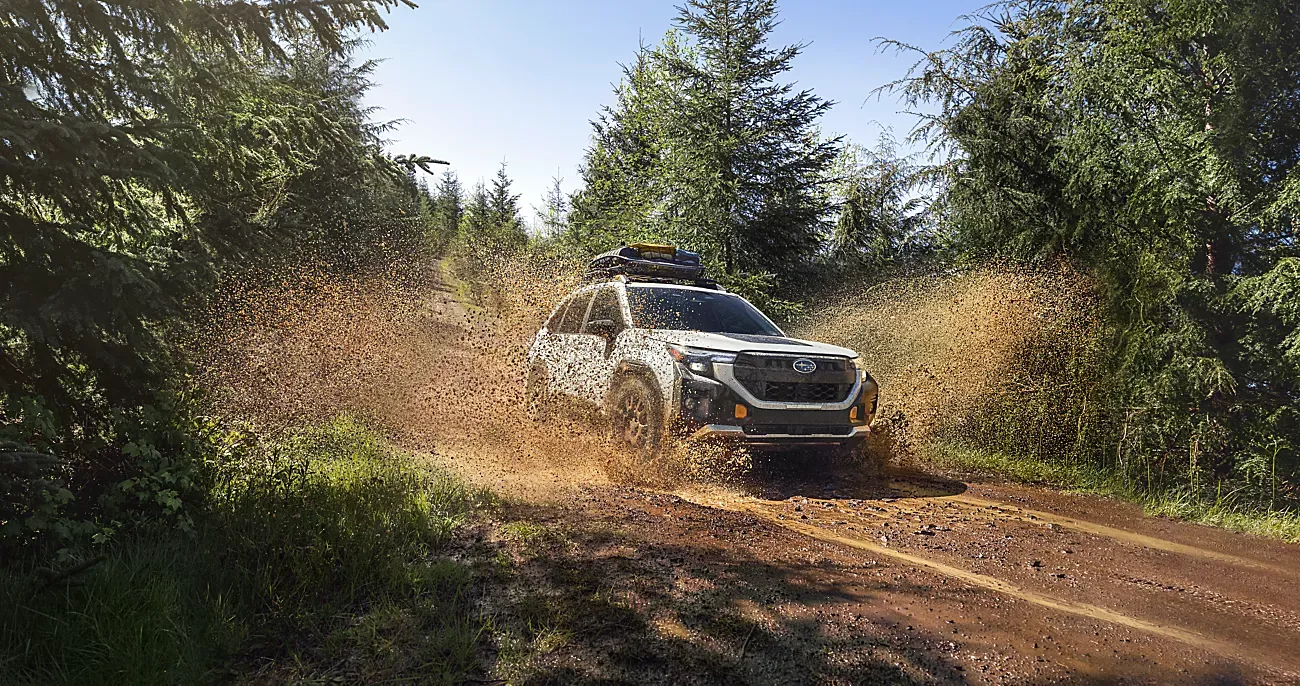
How Do the Ground Clearance of the Forester and RAV4 Matchup?
The Forester handles rough terrain, deep snowdrifts, or uneven country driveways with ease thanks to its generous 8.7 inches of standard ground clearance. This elevated stance gives drivers peace of mind when crossing over unexpected road debris or tackling gravel trails without worrying about damaging the undercarriage. The standard RAV4 sits noticeably lower at 8.1 inches, so the Subaru offers significantly better off-pavement clearance without requiring you to jump to higher, more expensive trim levels.
- Ground Clearance: 8.7 in. standard (Forester) vs. 8.1 in. standard (RAV4)
- Obstacle Clearance: Superior height (Forester) vs. Lower ride height (RAV4)
- Trail Readiness: Off-road ready base (Forester) vs. Street-focused base (RAV4)
- Undercarriage Safety: Better clearance (Forester) vs. Higher scrape risk (RAV4)
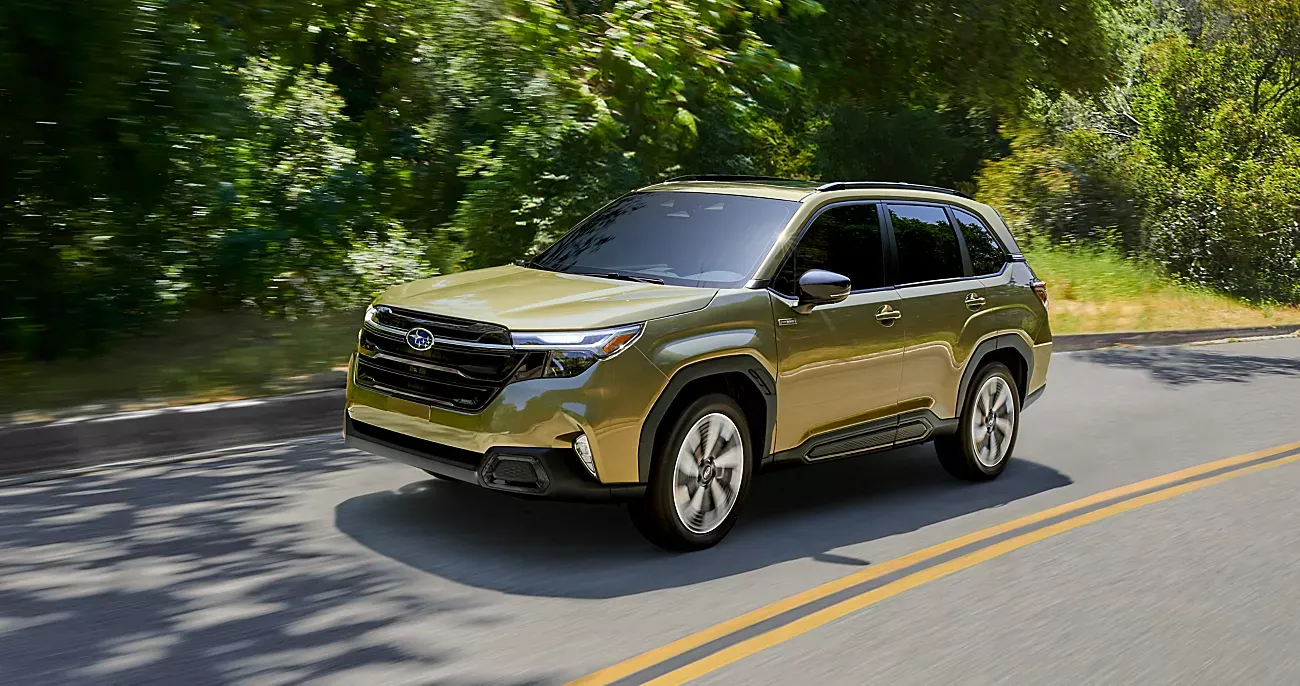
Cargo Capacity Comparison: Forester vs RAV4
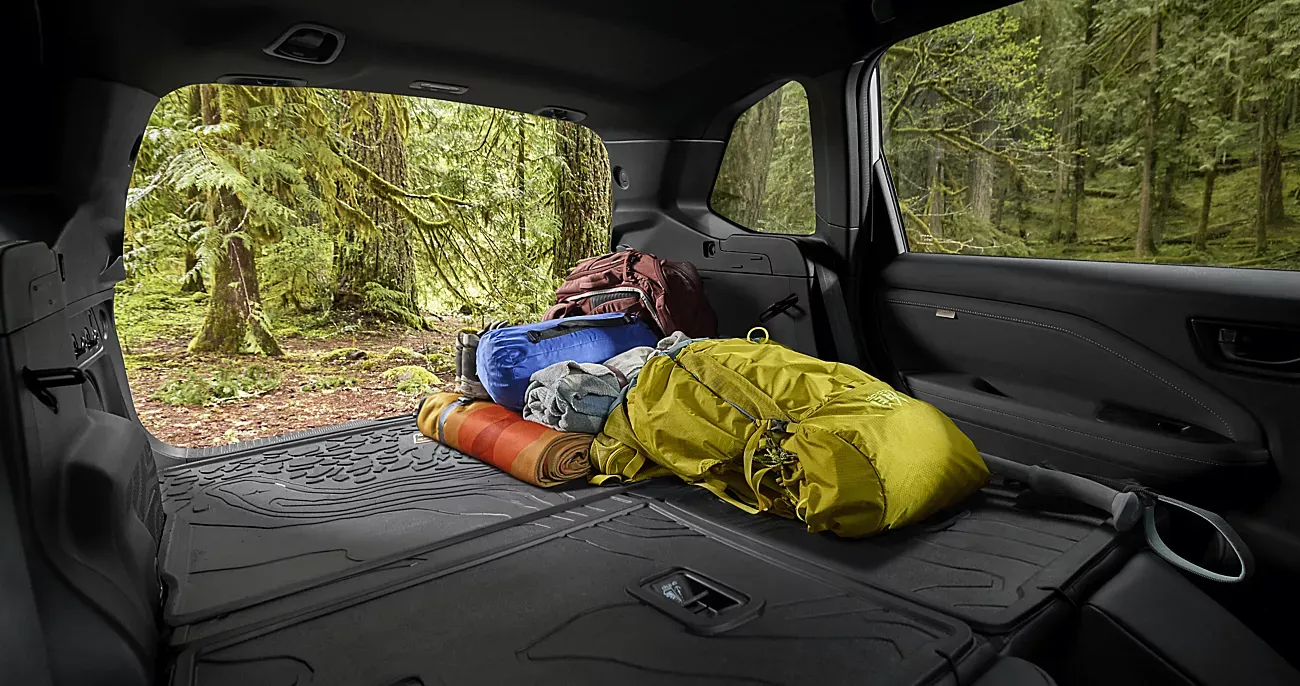
When it's time to haul large camping gear, oversized luggage, or weekend home improvement supplies, lowering the Forester's 60/40-split rear seats opens up a massive 74.4 cubic feet of maximum cargo space. The wide, boxy rear gate opening and low lift-over height make loading heavy items simple and stress-free. The RAV4 caps out at 69.8 cubic feet of max cargo volume, leaving the Forester with nearly five extra cubic feet of usable room so you never have to leave important gear behind.
- Max Cargo Volume: 74.4 cu. ft. (Forester) vs. 69.8 cu. ft. (RAV4)
- Cargo Space Difference: +4.6 cu. ft. extra space (Forester) vs. Smaller cargo bay (RAV4)
- Rear Hatch Access: Wider gate opening (Forester) vs. Narrower cargo entry (RAV4)
- Utility & Packing: Fits larger gear easily (Forester) vs. Tighter max capacity (RAV4)
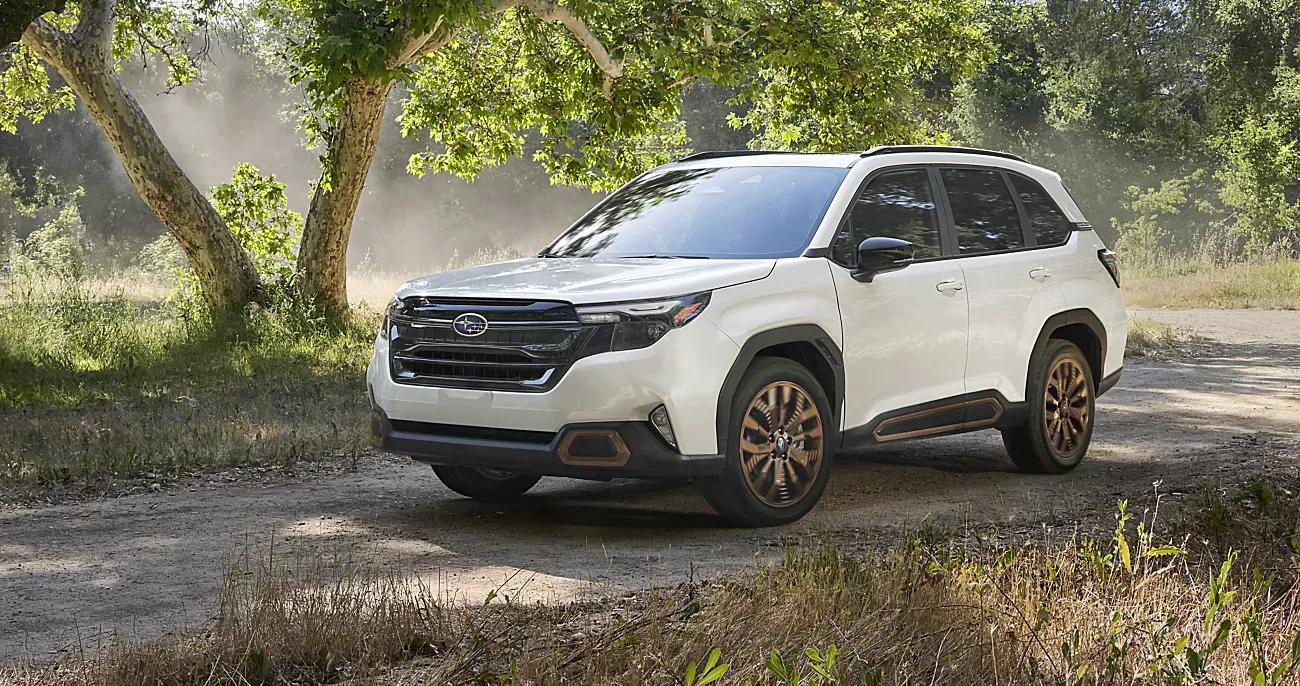
Is the Forester or RAV4 Cabin Bigger?
The Forester prioritizes long-distance passenger comfort with an impressive 39.4 inches of second-row legroom and up to 110.8 cubic feet of total passenger volume, creating an open, airy atmosphere for everyone on board. Paired with its signature tall windows and slim roof pillars, every seat benefits from exceptional outward visibility and minimal blind spots. The RAV4 feels noticeably tighter in the back with only 37.8 inches of rear legroom and roughly 99.8 cubic feet of overall passenger room, giving Subaru passengers much more space to stretch out comfortably on long road trips.
- Rear Legroom: 39.4 inches (Forester) vs. 37.8 inches (RAV4)
- Passenger Volume: 110.8 cu. ft. (Forester) vs. 99.8 cu. ft. (RAV4)
- Rear Seat Comfort: Roomy stretch-out space (Forester) vs. Tighter rear seats (RAV4)
- Cabin Visibility: Tall windows & open view (Forester) vs. Smaller window layout (RAV4)
Experience the Subaru Forester at i.g. Burton Subaru of Glen Burnie
Reading about the Subaru Forester's impressive capability and spacious interior is a great place to start, but nothing compares to driving it. Whether you want to test out the smooth all-wheel-drive handling, feel the generous rear legroom firsthand, or explore all the latest tech features, our friendly team is here to make your car-buying experience simple and straightforward. Fill out the quick contact form below to schedule a test drive or ask questions, and let's get you on the road in a new Forester today!
Key Takeaways
Q: Does the Subaru Forester come standard with all-wheel drive compared to the Toyota RAV4?
A:
Yes, every Subaru Forester comes standard with Symmetrical All-Wheel Drive on all trims. In contrast, the Toyota RAV4 comes standard with front-wheel drive and requires an extra paid upgrade for all-weather traction.
Q: Which SUV offers better ground clearance for off-road driving?
A:
The Forester has 8.7 inches of standard ground clearance, letting it easily clear obstacles and rough terrain. The standard RAV4 sits lower at 8.1 inches of ground clearance.
Q: How much cargo space does the Subaru Forester provide with the rear seats folded down?
A:
With the rear seats lowered, the Forester provides a massive 74.4 cubic feet of maximum cargo space. This beats the RAV4, which caps out at 69.8 cubic feet of maximum cargo room.
Q: Why is the interior of the Forester more comfortable for rear passengers?
A:
The Forester offers 39.4 inches of rear legroom and up to 110.8 cubic feet of total passenger volume, giving rear passengers plenty of room to stretch out. The RAV4 is noticeably tighter, offering only 37.8 inches of second-row legroom.

Final dealer price includes the dealer discount, manufacturer rebates where applicable, destination and delivery charges, and dealer processing fee of $799 (not required by law). Prices exclude taxes and tag/titling fees. Not all customers will qualify for all available rebates and incentives. Financing and leasing offers subject to credit approval. Prices and availability subject to change without notice. Final dealer price expires at the end of each business day. Our inventory and offers are updated daily and we strive to ensure that our websites are kept as current as possible. While we make every effort to ensure the data listed here is correct, there may be instances where rebates, incentives, options, or vehicle features may be listed incorrectly. Please contact us to verify vehicle availability, payment, price, and options. Dealer cannot be held liable for omissions, as well as human, technical, photographic, or typographic errors prior to sale. If an error occurs, we make every effort to rectify it within a reasonable amount of time. Stock OEM pictures may not represent the actual vehicle (Options, colors, trim, and body style may vary). Specifications, features, safety, and warranty data are based on what is available as standard specs/features per trim level, for the designated model year and may not apply to vehicles with added packages or options. Dealer-installed options may include additional fees. Vehicles may be in transit to i.g. Burton, please call to verify availability. TSRP (Total Suggested Retail Price) is not equivalent to the dealer's asking price. For gasoline, diesel, and hybrid fueled vehicles, MPG City/Hwy is the combined fuel economy. It is a weighted average that is calculated by weighting the city miles-per-gallon value by 55% and the highway miles-per-gallon value by 45%. It provides a quick and easy comparison of fuel economy across vehicles. These estimates are contingent on ideal conditions within a lab. Real-world situations such as carrying passengers or cargo, using climate control, driving style, and ambient temperatures can affect actual metrics.
More Info